Project detail
we curate impacting visuals , that creates a sense of emotional warmth resulting instant retention
Campaign Copy
Cinematic videos combine the art of storytelling with the technical precision of cinema. They are designed not just to be seen, but to be felt. Whether you're a brand aiming to create emotional resonance, a filmmaker showcasing your vision, or a content creator standing out on social platforms—cinematic videos help you do it with impact, elegance, and emotion.
What Are Cinematic Videos? Cinematic videos are high-quality, emotionally driven visual narratives that mirror the aesthetic and technical style of movies. From commercials and short films to social media content, cinematic videos combine storytelling, polished visuals, rich sound design, and artistic editing to create a powerful viewing experience.
Elegant, exclusive
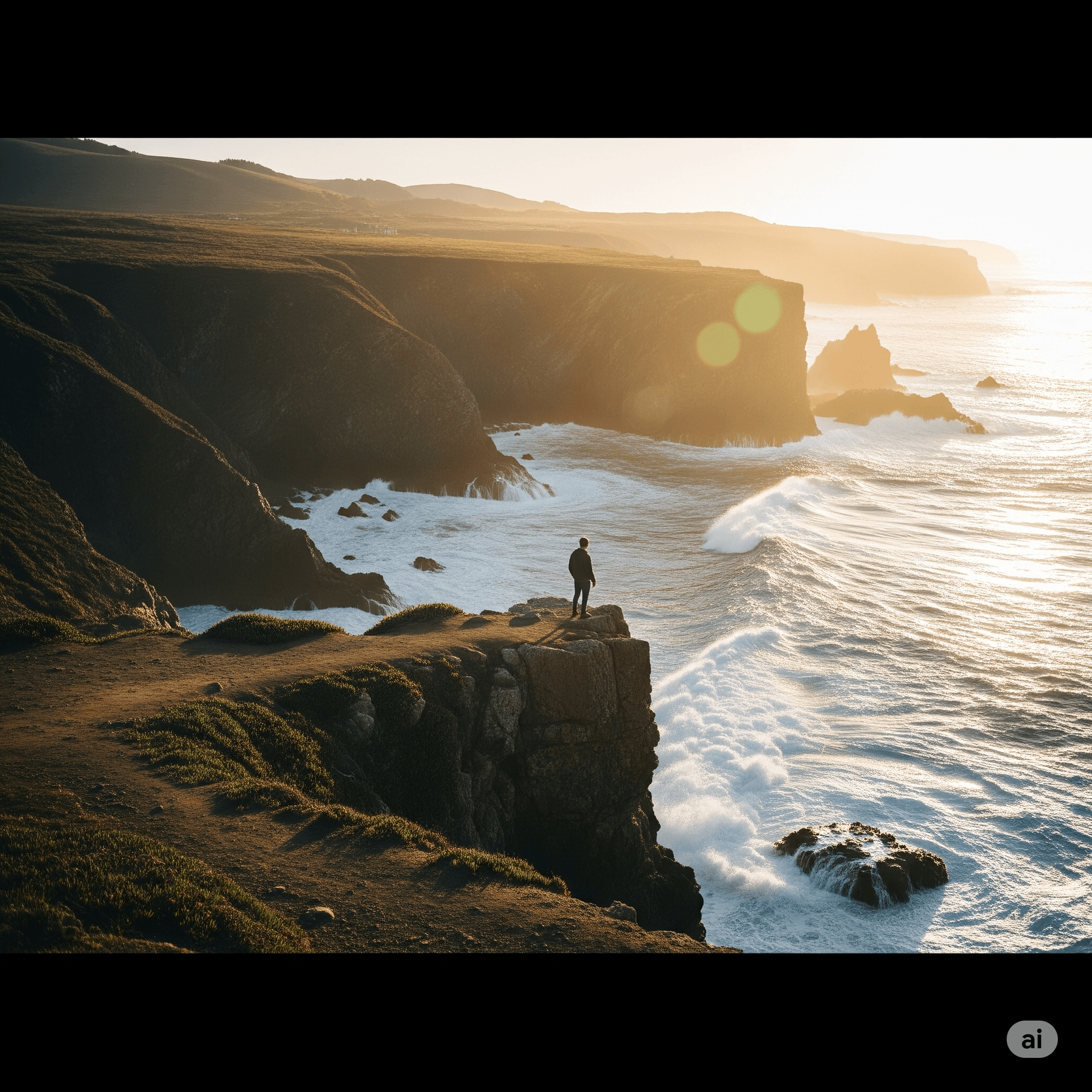
Key Characteristics of Cinematic Videos:
1. Storytelling First
At the heart of every cinematic video is a compelling story. It could be narrative-driven (with characters and a plot), thematic (focusing on mood or emotion), or concept-based (driven by a unique idea or visual metaphor). The story always drives the visuals—not the other way around.
2. Camera Work
Cinematic videos use advanced camera techniques to mimic the feel of movies:
Shallow depth of field – to isolate subjects from the background.
Smooth tracking shots, slow motion, gimbal movements, or dolly-ins – to add motion and emotion.
Framing and composition – using rules like the rule of thirds, leading lines, and symmetry.
Lens choice – Wide-angle or anamorphic lenses for a dramatic field of view.
3. Lighting
Lighting in cinematic videos is carefully controlled to set the mood and highlight emotion:
Three-point lighting setups or natural light manipulation.
Use of hard light for drama or soft light for intimacy.
Playing with shadows, contrast, and color temperature to build visual tone.
4. Color Grading
Color grading gives cinematic videos their polished, filmic look:
Warm tones for nostalgic or emotional vibes.
Cool tones for mystery or tension.
Teal and orange contrast (a popular cinematic color scheme).
Consistent tone throughout to maintain mood.
5. Sound Design and Music
Sound elevates cinematic storytelling. This includes:
Ambient sound to ground the scene in reality.
Sound effects (SFX) for impact and realism.
Voiceovers or dialogue to drive the narrative.
Cinematic music scores or emotional background tracks synced with visuals.
6. Editing Style
Editing is often paced to match the story's emotion:
Montages to compress time.
L-cut/J-cut techniques for smoother audio transitions.
Rhythmic editing to music beats.
Emphasis on emotion over flashy cuts.
Where Are Cinematic Videos Used?
Short films and documentaries
Music videos
Luxury brand ads
Travel videos
Wedding films
Social media reels (especially high-end storytelling reels)
Why Do Cinematic Videos Matter?
Cinematic videos go beyond basic visuals to create emotionally resonant experiences. They captivate viewers, convey messages more powerfully, and often leave a lasting impression—whether you're selling a product, telling a personal story, or building a brand.